
Table of Contents
- Understanding Lily Pad Structure and Bass Location
- Best Lures for Bass in Lily Pads
- How to Fish a Frog in Lily Pads
- Bass Fishing Lily Pad Edges and Openings
- Best Line for Bass Fishing in Lily Pads
- Preventing Weeds and Mastering Your Retrieve
- Seasonal and Weather Adjustments
- Frequently Asked Questions
Last Updated: October 20, 2026
Understanding Lily Pad Structure and Bass Location
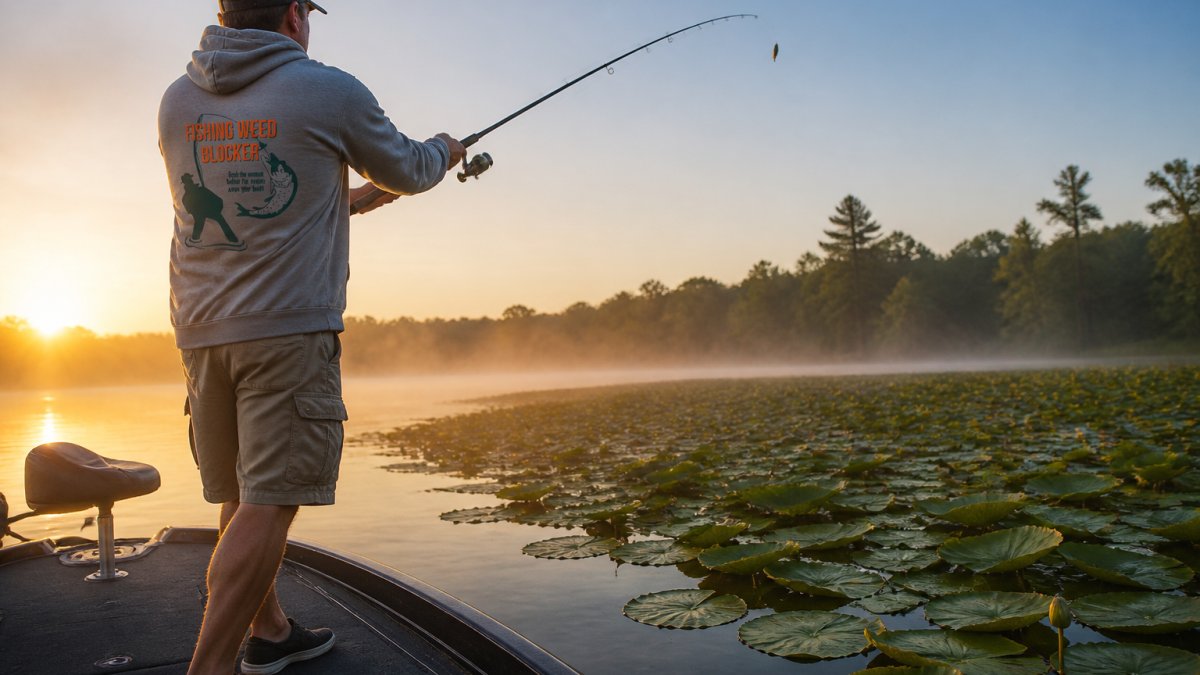
How to fish lily pads for bass starts with understanding where bass actually hide in pad fields. Bass don't scatter randomly through vegetation. They position themselves in specific spots that offer food, cover, and escape routes.
Reading water depth and pad density
Water depth determines which bass are feeding and which are resting. Shallow pads (1-4 feet) hold active bass during low-light periods. Deeper pads (5-8 feet) concentrate fish during bright midday hours.
Pad density matters too. Thin pads with visible water gaps between them allow bass to move freely. Dense, matted pads create tight cover where bass hide from sun and predators.
The edges where pad density changes are premium spots. Bass patrol these transitions hunting for baitfish pushed out of heavy cover.
Where bass position themselves in pad fields
Bass position at three key locations within pad fields:
- Pad edges facing open water: Bass wait here to ambush prey moving between cover and open water
- Inside thick pads near bottom structure: Bass retreat here when light is bright or pressure is high
- Gaps and openings between pads: Bass use these corridors to move and feed throughout the day
Early morning and late evening, bass move to shallow pad edges to feed. Mid-day, they drop deeper or burrow into dense cover. Understanding this daily pattern helps you fish the right depth at the right time.
Best Lures for Bass in Lily Pads
Choosing the right lure depends on water conditions, pad density, and bass feeding behavior. Different presentations work for different situations. Successful anglers keep multiple options in their tackle box.
Topwater presentations and bite windows
Topwater lures create commotion and vibration that draws strikes from aggressive bass. The best topwater bite windows are dawn, dusk, and overcast days when light is low.
Frogs are the most effective topwater choice for dense pads. They land softly, don't spook fish, and walk across thick vegetation.
The key to topwater success is patience. Let the lure sit for 2-3 seconds after it lands. Bass need time to locate the disturbance. Then work the lure with short, deliberate twitches.
Soft plastics and Texas-rigged worms
Soft plastics work when topwater fails. They sink into cover, stay in the strike zone longer, and feel natural to bass.
Texas rigging means threading the hook through the worm's nose so the point is buried inside the body.
Senko-style baits and stickbaits are also effective. These lures have a subtle action that bass prefer when they're not aggressive.
The retrieve is simple: cast, let the lure fall, then work it with short upward hops. Pause between hops to let the lure flutter down.
Jigs, ChatterBaits, and punching rigs
Jigs and ChatterBait-style lures excel in heavy cover. They maintain contact with vegetation while staying in the strike zone.
ChatterBaits produce vibration and flash that attract bass in murky or stained water. The blade creates a distinctive thump that bass feel through the water. Fish them with a steady retrieve or short hops.
Punching rigs are specialized setups for the densest pad mats. Use a heavy punch weight (1 to 2 ounces) with a short, stiff rod.
How to Fish a Frog in Lily Pads
Frogs are purpose-built for pad fishing. They float over vegetation instead of sinking into it. This keeps them in the strike zone and prevents constant hang-ups.
Frog casting and retrieval rhythm
Cast the frog beyond your target pad edge and let it land softly. Give it 2-3 seconds of silence. Bass need to locate the disturbance and move toward it.
The rhythm matters more than speed. Consistent, deliberate twitches work better than erratic jerking. Think of the frog as a wounded baitfish struggling across the pads. Bass respond to that pattern.
When you reach open water, pause for 1-2 seconds. Bass often follow a frog across pads and strike in the open.
Setting the hook on topwater strikes
Topwater strikes are violent and unmissable. The bass's mouth breaks the surface as it attacks. But many anglers miss because they set the hook too hard or too late.
Set the hook with a firm, upward motion the instant you see or feel the strike. Use your wrist and forearm, not a full arm swing.
Use a strong hookset with every topwater presentation. Frogs are designed to handle aggressive strikes. A solid upward hookset is the difference between a hooked fish and a missed opportunity.
Bass Fishing Lily Pad Edges and Openings
Pad edges and gaps are where most bass are caught. These locations concentrate fish and make them predictable.
Why edges hold feeding bass
Edges create natural funnels for baitfish. Small fish move between cover and open water, and bass ambush them at the transition.
Inside edges (where thin pads border open water) hold the most aggressive bass. Outside edges (where pad fields border deep water) hold bass that are less active but larger.
Gaps between pad clumps act like highways. Bass use them to move through the field without crossing open water. Fish gaps with soft plastics or jigs.
Working gaps and thin cover strategically
Target gaps from the side, not head-on. This prevents the lure from sinking too deep and getting snagged on bottom structure.
Thin pad cover (scattered pads with lots of visible water) allows you to use lighter lures and faster retrieves. Topwater and shallow-running crankbaits work here.
Dense pad cover requires heavier lures and slower presentations. Use Texas rigs, jigs, and punching rigs. Fish these areas methodically. Cast to every clump and work it thoroughly before moving to the next spot.
Best Line for Bass Fishing in Lily Pads
Line choice affects your ability to set hooks, land fish, and avoid hang-ups in dense vegetation.
Braided line advantages in dense vegetation
Braided line is the top choice for pad fishing. It has zero stretch, so you feel every bite and can set the hook instantly. Braided line also cuts through vegetation better than monofilament.
Use 30 to 50-pound braided line depending on pad density. Thicker line punches through mats better. Thinner line works for lighter presentations in open water adjacent to pads.
The downside of braided line is visibility. Bass can see it clearly. Use a 12 to 18-inch monofilament or fluorocarbon leader to hide the line.
Rod, reel, and tackle setup specifications
Use a 7-foot medium-heavy rod for most pad fishing. This length gives you casting distance and hook-setting power. A 6.5-foot rod works for tight spaces where precision matters more than distance.
Match your reel to your rod. A baitcaster gives you better control and accuracy than a spinning reel. Use a reel with a smooth drag and fast retrieve speed (7:1 ratio or higher).
Your tackle setup depends on your presentation:
- Topwater/frogs: 7-foot medium-heavy rod, baitcaster, 30-pound braided line, 12-inch leader
- Soft plastics: 6.5 to 7-foot medium-heavy rod, baitcaster, 30 to 40-pound braided line, 15-inch leader
- Jigs/punching: 7-foot heavy rod, baitcaster, 40 to 50-pound braided line, 12-inch leader
This setup balances casting distance, accuracy, and hook-setting power. Adjust based on water conditions and pad density.
Preventing Weeds and Mastering Your Retrieve
Weeds covering your lure kill strikes. A clean presentation is the foundation of pad fishing success.
Weed prevention strategies and tools
The most effective weed prevention tool is the Fishing Weed Blocker. This patented device grabs weeds before they cover your bait.

The Fishing Weed Blocker works for both trolling and bait fishing. It's engineered to cast smoothly and flow through water with minimal drag. At just $15.97, it's an affordable solution that fits in any tackle box.
Beyond weed blockers, master your retrieve to minimize weed contact. Keep your rod tip up when working vegetation. This keeps your lure higher in the water column where weeds are less dense.
Troubleshooting missed strikes and hooksets
Missed strikes are the most frustrating part of pad fishing. Usually they're caused by slack line or poor hookset timing.
Keep tension on your line at all times. Slack line means you can't set the hook when the bass strikes. Maintain steady pressure through your retrieve.
If you're missing strikes consistently, your rod may be too soft. Switch to a stiffer rod that transfers hookset power more efficiently.
Some missed strikes happen because the bass doesn't fully commit. This is normal. Keep casting. The next bass will strike harder.
Seasonal and Weather Adjustments
Bass behavior changes with seasons and weather. Adjust your approach to match conditions.
Low-light conditions and feeding patterns
Low-light periods (dawn, dusk, overcast days, and nights) trigger aggressive feeding. Bass move into shallow pad edges to hunt. This is when topwater presentations shine. Fish topwater during low-light windows and you'll see more strikes.
Bright midday sun pushes bass deeper or into dense cover. Switch to soft plastics and jigs. Fish the thickest pad areas where light doesn't penetrate. Slow your retrieve and focus on vertical presentations that reach deeper bass.
Rain improves fishing. Overcast skies make bass more aggressive. If rain is coming, plan your fishing around it.
Spring, summer, and fall pad fishing
Spring: Spawning bass move to shallow pads. Fish pad edges and thin cover with topwater and soft plastics. This is the most active feeding period.
Summer: Heat pushes bass deeper. Fish thicker pad cover and gaps where water stays cooler. Early morning and evening are most productive.
Fall: Cooling water triggers aggressive feeding again. Bass return to shallow pads. Topwater bite improves. Fish faster retrieves and cover more water.
Fishing lily pads for bass demands precision, patience, and the right tools.
Frequently Asked Questions
What is the best bait for bass in lily pads?
Live bait works well, but artificial lures outperform live bait in pad fields. Topwater frogs, Texas-rigged soft plastics, and jigs excel because they can be worked through dense cover without constant snagging. Frogs mimic natural prey and trigger aggressive topwater strikes during low-light periods. Soft plastics on a Texas rig allow you to punch through thick pads and work subsurface gaps where bass feed. Choose based on water depth and pad density at your location.
How do you keep a lure from getting tangled in lily pads?
Weedless hook designs and proper rigging prevent most tangles. Texas rigs, wacky-rigged plastics, and frog lures are inherently snag-resistant. For trolling or bait fishing in lighter vegetation, the Fishing Weed Blocker ($15.97) captures weeds before they reach your bait, keeping your presentation clean and your hook free of debris. Heavier line and upward hooksets also reduce how long your lure sits in vegetation after a strike.
When is the best time to fish lily pads for bass?
Early morning and late evening produce the most aggressive topwater bites over pads. Bass move shallow to feed during low-light conditions and hunt in pad fields when light intensity drops. Overcast days extend the bite throughout the day. Summer often sees the best pad fishing because bass seek shade and cooler water under dense vegetation. Spring and fall offer good opportunities as well, though bass may position deeper as water temperature changes.
Where do bass hide in lily pad fields?
Bass position at pad edges where they can access open water and ambush prey moving between cover and deeper areas. They hold in gaps and openings within dense pad fields, using vegetation as a hunting blind. Thinner pad areas adjacent to thick cover also hold feeding fish. Bass prefer locations where water depth transitions from shallow to deeper, allowing them to retreat to cooler, safer water if threatened. Fish the transition zones first.