
A weed blocker for fishing lures is a small mechanical device that intercepts weeds and debris before they tangle with your hooks and bait. It sits at the vulnerable points on your rig, usually near swivels or above your lure, and lets weeds slide right past instead of wrapping around your setup. Honest take: if you fish in lakes, bays, or anywhere with aquatic plants, this is a game-changer.
The whole point is simple: fewer stops to clean your lure means more time actually fishing. You cast, you reel, you stay in the water. No constant fussing with tangled vegetation.
In this article
- Why Weeds Mess With Your Fishing Success
- How a Weed Blocker Actually Works
- Types of Weed Blockers for Different Lures
- Installing Your Weed Blocker Right
- The Real-World Difference
- Durability and Material Matters
- Choosing the Right Weed Blocker for Your Setup
- Common Mistakes People Make
- Weed Blockers Work Best When You Combine Them With Smart Fishing Habits
- Real Anglers' Experience With Weed Blockers
- Where to Get Quality Weed Blockers
- Frequently Asked Questions
Why Weeds Mess With Your Fishing Success
Weeds tangle with your line for a reason. They're light, they float, and they get caught on literally every part of your rig. When they wrap around your hook or lure, three things happen:
Related: Best Ways to Keep Weeds Off Fishing Bait 2026: Top 5 Methods Ranked
Related: How to Remove Weeds From Fishing Bait: Quick Methods
- Your lure stops moving naturally
- Fish see the weed instead of your bait
- You spend time untangling instead of casting
In busy fishing spots, you might stop every minute or two. That's not exaggeration. In heavy vegetation, downtime kills your catch rate. That's where Fishing Weed Blocker comes in. A quality weed blocker keeps your line and lure clean so you can fish the way you planned.
Related: Best Three Pack Weed Blocker Tool for Clean Fishing
How a Weed Blocker Actually Works
The design is straightforward. Most weed blockers use a guard or cover that sits in front of your hook or at the connection point where weeds love to catch. When vegetation comes in contact with your line, the blocker pushes it to the side instead of letting it wrap.
Think of it like a shield. Your hook is protected. Your line stays clear. The weed slides past harmlessly.
The best designs use durable materials that can handle repeated contact with rough vegetation without breaking down. Some use specialized guard covers at swivel points, which is where weeds catch most often. Others protect the hook itself, depending on your lure type.
Types of Weed Blockers for Different Lures
Not all lures need the same protection. Here's what works where:
Spinner Setups: Spinners are weed-magnet central because the blade spins and attracts floating debris. A weed blocker positioned ahead of the blade keeps vegetation off before it ever touches your line. This is probably where you'll see the biggest improvement.
Hook Guards: These sit directly on the hook shank and cover the point slightly. They work great for live bait and soft plastics. The guard prevents weeds from wrapping the hook without interfering with your hookset.
Swivel Covers: Weeds love catching at connection points. A guard cover at your swivel (where your main line meets your leader or where your lure attaches) blocks debris before it reaches your hook.
Trolling Setups: If you're pulling spinner rigs or inline trolling lures, a weed blocker is nearly essential in vegetated areas. You're moving constantly, and weeds build up fast. The blocker keeps you fishing instead of cleaning.
Related: Best Ways to Prevent Weeds Covering Fishing Lures
Installing Your Weed Blocker Right
Installation depends on the type, but here's the general process:
For swivel covers: Slide the guard onto your line before you tie your swivel. Make sure it sits flush against the swivel so weeds can't sneak underneath. Tighten any fasteners if your blocker has them.
For hook guards: Some slide directly onto your hook shank before you tie your lure. Others clip on after assembly. Check the instructions for your specific product to make sure you've got it positioned right.
For spinner rigs: Position the blocker just ahead of the blade or at the connection point. You want it far enough forward that vegetation hits the guard, not your spinner.
The key is making sure the blocker doesn't interfere with your lure's action. It should be secure, positioned to catch debris before it hits your hook, and not so tight that it restricts movement.
The Real-World Difference

Let's talk about time on the water. In a moderately weedy lake, you can spend a big chunk of your day untangling instead of fishing. That's not fishing. That's yard work. A weed blocker cuts that downtime way down, so you spend more time with your line where the fish are.
Over a full day, that's easily an extra hour in the water actually casting and reeling. More casts equals more chances to catch fish. Simple math.
You'll also notice that your hookset is cleaner. Without weeds cushioning your line, you've got direct contact with the fish. When something bites, you feel it immediately.
Durability and Material Matters
Not all weed blockers are created equal. The cheap plastic ones degrade fast, especially if you're fishing in rough, weedy conditions all day. Look for blockers made from durable, engineered materials that can handle constant contact with rocks, vegetation, and the general wear of fishing.
Some premium options use materials specifically designed for harsh saltwater and freshwater environments. These hold up longer, stay flexible, and won't crack or become brittle after a few outings.
When you're comparing options, check reviews for mentions of durability. How long do they last? Do they need replacement after a season, or can they go multiple years? That matters to your wallet.
Choosing the Right Weed Blocker for Your Setup
Here's what to consider when picking one:
- Your lure type: Spinners, soft plastics, or hard baits all need slightly different protection
- Where you fish: Thick vegetation vs. light weeds require different approaches
- Your rig configuration: How your swivels and connections are arranged matters
- Durability rating: Will it last one season or three?
- Ease of installation: Can you rig it in 30 seconds or does it take tools?
The sweet spot is finding a blocker that fits your specific setup without adding complexity or weight. If it takes five minutes to install, you won't use it. If it breaks after two trips, it's a waste. Look for products designed with anglers' actual needs in mind.
That's why many serious anglers turn to Fishing Weed Blocker solutions. They're built for the exact problem you're dealing with, and they're designed to work on the rigs people actually use.
Common Mistakes People Make
Installing your blocker wrong is pretty common. Here are the errors to avoid:
Positioning it too far back: If your blocker is too close to the hook, weeds still wrap around the point. Move it forward.
Making it too tight: A blocker that's clamped down too hard restricts your lure's movement. It should sit snug but allow the lure to move naturally.
Using the wrong type for your lure: A hook guard won't help much on a spinner rig. Match the blocker to your specific setup.
Ignoring wear: Check your blocker regularly. If it's cracked, bent, or degraded, replace it. A damaged blocker is almost useless.
Forgetting about the swivel: Lots of anglers focus on protecting the hook but miss the swivel. That's where half your tangles happen.
Weed Blockers Work Best When You Combine Them With Smart Fishing Habits
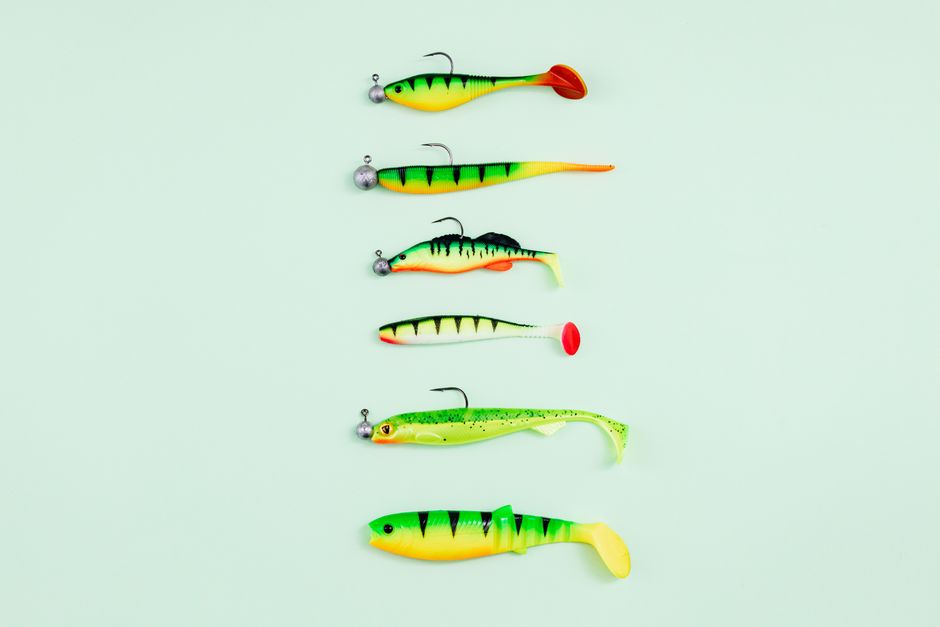
A weed blocker is not a magic solution that eliminates all weed problems. It's a tool that solves the most common ones. You still need to be strategic about where you cast and how you position your rig.
Fish the outside edges of vegetation when you can. Cast toward open water and retrieve through weed lines instead of into dense patches. Use your blocker to handle the inevitable vegetation that comes along, but don't use it as an excuse to fish in impossible conditions.
The combination of smart positioning plus a good weed blocker is what actually wins. Your blocker handles the debris you can't avoid. Your tactics handle the rest.
Real Anglers' Experience With Weed Blockers
Talk to any experienced angler who fishes weedy water, and they'll tell you the same thing: once you use a weed blocker, you can't go back. The reduction in downtime is noticeable in your first outing.
Weekend warriors report catching more fish simply because they're spending less time cleaning their lures. Tournament anglers rely on blockers as part of their competition rig. Even casual fishermen appreciate the convenience and the cleaner fishing experience.
The feedback is consistent: weed blockers work. They reduce frustration, keep you fishing, and help you catch more.
Where to Get Quality Weed Blockers
You want a blocker that's designed with fishing in mind, not some generic solution adapted to fishing. That means looking at specialized tackle retailers who understand the problem and have engineered a proper fix.
Check product reviews, look at materials and durability ratings, and make sure the blocker matches your specific lure and rig type. When you find the right one, grab a few. They're inexpensive, and having backups means you can replace a worn blocker without interrupting your fishing day.
The investment is tiny compared to the time and frustration you'll save. Your buddy will thank you for it when you're still fishing while he's pulling weeds off his lure for the tenth time.
Frequently Asked Questions
Do weed blockers affect how my lure moves?
Not if they're installed correctly. A properly positioned blocker should sit out of the way enough that your lure's action remains natural. If your lure feels sluggish after adding a blocker, reposition it or check that it's not too tight. The blocker should be snug but not restrictive.
Will a weed blocker work in all types of water?
Weed blockers are most effective in freshwater lakes and bays with aquatic vegetation. They also work in saltwater areas with seagrass and algae. In very light weed conditions, you might not notice much benefit. In dense vegetation, they're a lifesaver. Think of them as essential for moderate to heavy weed scenarios.
Can I use the same weed blocker on multiple lures?
Some weed blockers are reusable and can be moved between lures and rigs. Others are designed to stay in place. Check the product specs. Generally, having multiple blockers is smarter anyway, so you can keep a few rigs ready to fish without swapping components around.
How often do I need to replace a weed blocker?
A quality blocker should last a full season or longer depending on use and material. Check it regularly for cracks, bending, or degradation. If it looks damaged or stops blocking weeds effectively, replace it. Most anglers get several months to a year per blocker before replacement is needed.