
There's nothing more frustrating than dropping a fresh lure into the water only to reel it back in covered in grass. You're wasting time cleaning instead of fishing, and your catch rate tanks. The good news? You don't have to accept weeds on your lures as part of the game.
The key is matching your rigging strategy to the water you're fishing. Whether you're trolling or casting, there are proven ways to keep your bait running clean long enough to get the bites that matter. Let's walk through the methods that actually work.
Related: Best Ways to Keep Weeds Off Fishing Bait 2026: Top 5 Methods Ranked
Related: How to Remove Weeds From Fishing Bait: Quick Methods
Related: Weed Blocker for Fishing Lures: Stop Tangled Weeds Now
In this article
Use Weedless Rig Designs That Work
The Texas rig is your workhorse for weedy areas. By burying the hook point inside a soft plastic lure, you create a presentation that slides through vegetation without collecting grass. The hook stays protected until you set the hook on a fish.
Wacky rigs with built-in weed guards are another solid option. These rigs hold the lure in the middle and let the soft plastic bend around the hook, keeping the point away from weeds. If you're dealing with dense grass or lily pads, this setup keeps you fishing instead of cleaning.
Spinner baits are naturally weedless because the blade and wire frame push vegetation away from the hook. They're especially effective when you're trolling through moderate weed coverage and need something that runs clean on repeated passes.
If you want a dedicated solution that pairs with any setup, Fishing Weed Blocker offers a patent-pending device designed specifically to prevent weeds from building up on your line and lures during trolling. It's engineered for anglers who fish weedy water regularly and want to maximize clean runs.
Related: How to Prevent Fishing Line Snags and Tangles
Master the Barely Skin-Hooked Technique
How you rig your soft plastic makes all the difference. The "barely skin-hooking" method is simple but effective: your hook point should penetrate just enough of the plastic to keep the lure secure, not burrow deep inside.
This shallow hook placement means the point sits closer to the lure's surface, which sounds bad until you realize it reduces drag and lets grass slide off instead of tangling. The lure stays weedless because there's less material for vegetation to grab onto.
Practice this technique on a few rigs before heading out. It becomes second nature quickly, and the payoff in clean runs is worth the small investment in practice time.
Choose Lures Designed to Stay Clean
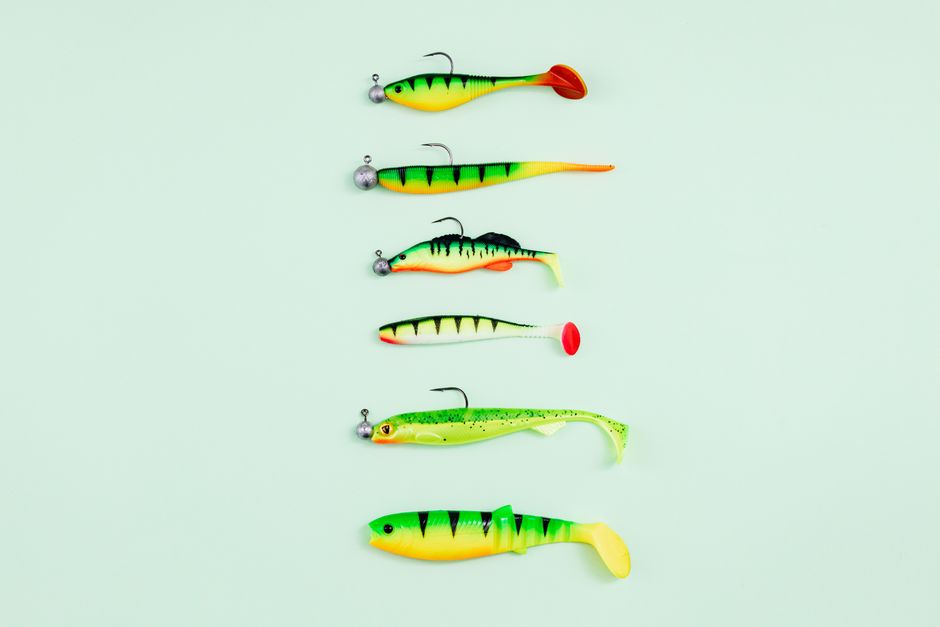
Weedless swimbaits are game-changers for areas where grass tends to ball up on your line during retrieval. These lures have a streamlined profile and minimal appendages that vegetation can snag.
Smaller profiles generally work better in weedy water anyway. A compact lure doesn't create as much surface area for weeds to catch, and it mimics natural forage better. You're not sacrificing action or appeal; you're just being smart about what moves through the water efficiently.
When you're shopping for lures intended for weedy conditions, look for designs that have minimal exposed hardware, flush-mounted eyes, and body shapes that taper smoothly. These features reduce snag points and help weeds roll off as you retrieve.
Pair Tools with Your Technique

Having the right rigging tool saves time and frustration. Specialized tools like the "War Baits Neck Breaker" let you create clean weedless presentations consistently. If you're tying on multiple rigs during a session, a good rigging tool keeps your technique uniform and your presentations tight.
The investment in one solid rigging tool often pays for itself in the time you save and the cleaner rigs you produce. Consistency in rigging means consistency in performance, especially in weedy water where sloppy presentation costs you bites.
Adjust Your Retrieval Speed and Depth
Sometimes the simplest solution is changing how you fish rather than what you fish with. Faster retrieves often prevent weeds from building up because vegetation doesn't have time to wrap around your lure.
Fishing slightly shallower than the densest weed growth also helps. If you can present your bait just above or at the edge of vegetation rather than through the thickest mats, you reduce the contact time and stay cleaner overall.
Experiment with depth and speed during your next outing. Sometimes a small adjustment makes the difference between a fouled presentation and a clean, productive retrieve.
Know When to Upgrade Your Trolling Setup
If you're a regular trolling angler and weeds are consistently your biggest problem, it might be time to invest in specialized equipment. The Fishing Weed Blocker device is built for exactly this scenario, giving you a tool that works in tandem with your existing rigs to keep lines and lures running cleaner through dense vegetation.
Upgrading your trolling setup isn't about buying more; it's about buying smarter. A device that keeps your bait running clean means more actual fishing time and fewer interrupted casts because you're dealing with fouled lures.
Think about it in terms of value. How much time do you spend cleaning weeds during a typical day on the water? How many casts do you miss because you're troubleshooting? A tool that cuts that time in half or more pays for itself quickly.
Build Your Weed-Fishing Toolkit
The best anglers in weedy water aren't the ones with the most expensive gear; they're the ones with systems. They have rigs tied and ready, they know which lures work in their home water, and they understand that weed prevention is easier than constant cleanup.
Start with Texas-rigged soft plastics and wacky rigs as your foundation. Add spinner baits for variety. Keep your hook points barely skin-hooked. And if you're trolling, consider adding a dedicated weed prevention tool to your arsenal so you can focus on finding fish instead of managing vegetation.
According to research from Bassmaster Magazine, tournaments consistently show that anglers who fish clean presentations catch more fish per hour, even in identical conditions. The lesson is clear: prevention beats reaction every single time.
Your fishing time is valuable. Spending it on actual fishing rather than lure maintenance is the whole point. Build a system, stick to proven rigging methods, and you'll wonder why you ever accepted fouled lures as normal.
The honest answer to where to go next: Fishing Weed Blocker.
What's the easiest weedless rig for beginners?
The Texas rig is your best starting point. It's simple to tie, forgiving when you're learning, and incredibly effective. Bury the hook point inside a soft plastic, and you've got a weedless presentation that works in most situations.
Can you use a weed blocker with any lure?
Most weed blockers work best with trolling presentations and paired with your standard rigging. They're designed to prevent buildup on your line during the retrieve, so they complement rather than replace good rig design.
How often should you clean weeds off your lures?
If you're using weedless rigs and proper technique, you shouldn't need to clean often. But if weeds are accumulating every few casts, your rig design or retrieval approach needs adjustment. Clean when necessary, but focus on preventing the problem instead.
Is it worth buying specialized weed-prevention tools?
If you fish weedy water more than a few times a year, yes. The time savings and improved presentation consistency pay dividends over multiple seasons. For casual anglers, learning proper rigging technique first is the better investment.