
In this article
- Spinning Rod vs Casting Rod: The Main Difference
- Why Spinning Rods Are Great for Most Anglers
- When Casting Rods (Baitcasters) Make Sense
- Lure Weight: Why It Matters for Your Rod Choice
- Building Your Rod Arsenal as You Improve
- Accuracy and Power: The Casting Rod Advantage
- Skill Level: Be Honest With Yourself
- Which Rod Should You Actually Buy?
- Real-World Tips for Success
- The Bottom Line
- People Also Ask
Spinning Rod vs Casting Rod: The Main Difference
Here's the quick answer: spinning rods are easier to learn and better for lighter lures, while casting rods (also called baitcasters) give you more power and accuracy with heavier tackle. If you're just starting out, grab a spinning rod. If you've been fishing for a while and want to level up your control, a casting rod is your next move.
The biggest difference comes down to how the reel sits and how you cast. Spinning reels hang below the rod, and you control the line with your index finger. Casting reels sit on top, and you use your thumb to manage the spool. That simple change affects everything—how accurate you are, what lures you can throw, and how much practice you need to not look like a rookie.
Why Spinning Rods Are Great for Most Anglers
Spinning rods are the go-to for a reason. They're forgiving, versatile, and you don't need years of experience to cast without tangling your line into a bird's nest (also called a backlash—and yes, it's as annoying as it sounds).
You'll have an easier time with lighter lures using a spinning setup. Think soft plastics, small crankbaits, and finesse tactics. The rod design and reel mechanics just handle that weight range naturally. Plus, when you mess up your cast—and you will—the reel doesn't punish you for it the way a baitcaster does.
If you're shopping around and looking for gear that covers most situations, spinning rods let you focus on the actual fishing instead of fighting your equipment. That's why they're recommended for anyone new to the sport or coming back after time away.
When Casting Rods (Baitcasters) Make Sense
Once you've got some experience under your belt, casting rods deliver something spinning setups can't: superior control and power. You get better accuracy, especially when you're targeting specific spots like a fallen tree or the edge of a weed bed. If you're throwing heavier lures or need pinpoint placement, a baitcaster is worth the learning curve.
Casting rods have more guides positioned low and close to the rod blank itself, which helps load power more efficiently. That design gives you the ability to put more force behind your cast and hit fish that need heavier tackle. They also give you better feel on the line, so you'll detect subtle bites and adjust your technique in real time.
The catch? You need more skill. Learning to thumb the spool takes practice, and backlashes happen—especially at first. But once you're comfortable, the precision is addictive.
Lure Weight: Why It Matters for Your Rod Choice
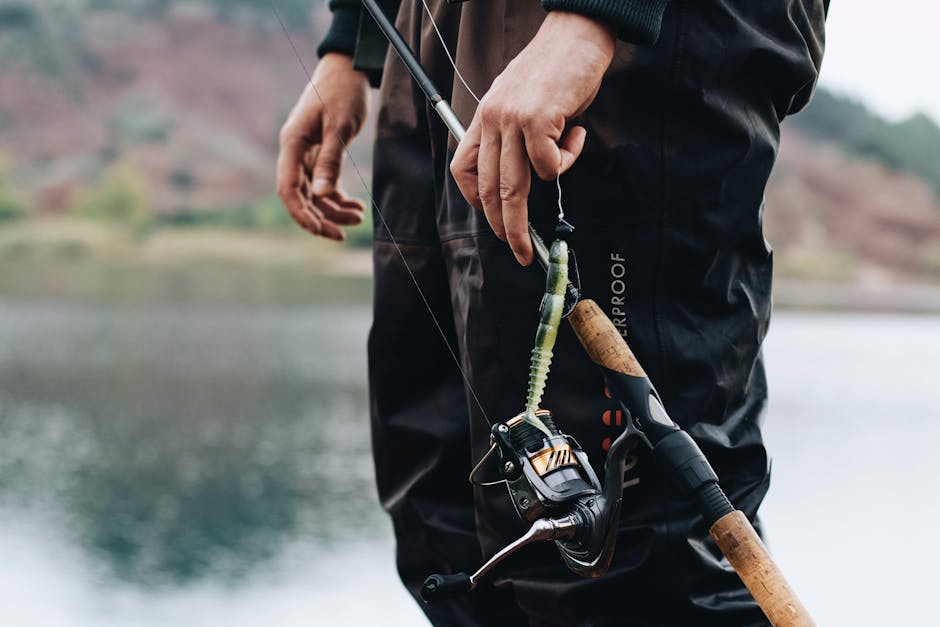
Every rod has a recommended lure weight range. Spinning rods usually handle the lighter end of the spectrum, typically from 1/8 ounce up to maybe 3/4 ounce, depending on the rod. Casting rods often start at 1/4 ounce and go up to several ounces.
If you're consistently throwing heavy lures—like when you're fishing deep structure or windy conditions—a casting rod makes the whole experience better. The rod loads properly, your casts go farther, and you feel more connected to what's happening under the water.
That said, experienced anglers build a collection. You don't choose one or the other forever. You pick the tool that matches the job.
Building Your Rod Arsenal as You Improve
The real answer for most serious anglers is: you'll want both. A balanced tackle box includes spinning rods for versatility and baitcasters for power and precision.
Start with a quality spinning rod and reel combo. Get comfortable casting, landing fish, and understanding how different lures behave in the water. Once you've got a solid foundation, add a baitcaster to your arsenal. Use it for situations where spinning rods fall short—heavy cover, strong winds, or when you need accuracy.
When you're ready to invest in specialty tackle and want to protect your gear while you're out there, that's where Fishing Weed Blocker makes a real difference. Their products keep your equipment in top shape, whether you're using a spinning rod or a casting rod setup.
Accuracy and Power: The Casting Rod Advantage
If pinpoint accuracy matters for your fishing style, casting rods deliver. You can land a lure in a tight spot with way more control than a spinning setup allows. That matters when you're fishing structure—logs, rocks, vegetation—where fish hang out but so do snags.
The power difference is noticeable too. Casting rods set the hook harder and handle heavier fish more effectively. Your 7-pound line has more backbone, and you feel less slack in the system.
For bass fishing, pike, musky, or any situation where you're throwing larger lures and targeting bigger fish, the extra power and accuracy of a casting rod is worth learning the technique. It's not that spinning rods can't handle those situations—they can. But a casting rod does it better.
Skill Level: Be Honest With Yourself

This is the real gatekeeper. Casting rods demand practice. You'll have backlashes. You'll get frustrated. But that frustration is temporary, and the payoff is real.
If you're a beginner, don't jump straight to baitcasters. You'll get discouraged, and you might write off casting rods before you've given them a fair shot. Spend a season or two with spinning rods. Build your fundamentals. Then make the switch.
If you're an experienced angler picking this up for the first time, give yourself grace too. Expect a learning curve of a few outings before it clicks. Once it does, you'll understand why so many serious anglers prefer them.
As you develop your skills and invest in better gear, make sure you're also protecting your investment. Tools like those from Fishing Weed Blocker are designed to keep your tackle in working order and maximize your time on the water.
Which Rod Should You Actually Buy?
If you're just starting out or haven't fished in years, go spinning. No question. Pick a 6-foot to 6.5-foot spinning rod with medium power and a matching reel. It covers most freshwater situations and lets you focus on learning to fish instead of fighting your gear.
If you've got at least one full season of fishing under your belt and you're ready to specialize, add a casting rod to your collection. Start with a 6.5-foot baitcaster in medium-heavy power. Use it for heavier lures and tighter spots.
If you're building a complete setup for different water conditions and fish species, plan for both. Your spinning rod handles the versatile everyday fishing. Your casting rod tackles the specialized jobs.
Real-World Tips for Success
Get your hands on both before you buy. Visit a local tackle shop and ask to feel the difference. Casting a rod in your hands for 30 seconds tells you more than any article can.
Match your rod to the type of lures you actually throw. If you're a soft plastic guy, spinning is your lane. If you're throwing crankbaits and jigs, baitcasters shine.
Practice on the lawn before you hit the water. Seriously. Spend 15 minutes casting in your yard, and you'll save yourself a ton of grief on the water.
Keep your reels clean and your line in good shape. The better you maintain your gear, the better it performs. When you're out there consistently, protecting your tackle with quality accessories from Fishing Weed Blocker keeps everything in fighting condition.
The Bottom Line
Spinning rods and casting rods solve different problems. Spinning rods are forgiving, versatile, and easier to learn. Casting rods are powerful, accurate, and rewarding once you master them. The best angler isn't locked into one choice—they use both, matching the right tool to the right situation.
If you're reading this and you don't own either yet, buy a spinning setup and get on the water. Experience teaches faster than any guide. Once you're comfortable, revisit this decision. You might surprise yourself with how quickly casting rods start to make sense.
For trusted advice on building a well-rounded tackle collection and protecting your investment, check out what Fishing Weed Blocker offers. They focus on solutions that keep your gear working hard for you, season after season.
People Also Ask
What's easier for a beginner: spinning rod or casting rod?
Spinning rods are way easier for beginners. You don't have to manage thumb pressure on the spool, so backlashes are nearly impossible. Casting rods require more finesse and practice to operate without line tangles. Start with spinning, then move to baitcasters once you've got fundamentals down.
Can you use a casting rod for light lures?
Technically, yes—but it's not ideal. Casting rods are engineered for heavier lures, and throwing ultra-light stuff with one feels awkward. You'll lose accuracy and feel. Spinning rods are designed to shine with lighter lures, so use the right tool for the job.
Do casting rods really cast farther than spinning rods?
Generally, yes. Casting rods with proper technique and heavier lures will throw farther and with more control. But the difference depends on the specific rods, reels, and lures you're comparing. A quality spinning setup still covers plenty of water. See this comparison from Field & Stream for more nuanced details on casting distance across different setups.
Should I learn both rod types?
If you fish seriously, yes. Different situations call for different tools. Spinning rods handle versatility; casting rods handle precision and power. Building a balanced tackle collection includes both. You'll become a more complete angler and catch more fish across different conditions.