

Rod-mounted hook safety clips are small metal or plastic devices that clamp your fishing hook, lure, or rig directly to your rod during transport and storage. They keep your hooks secured to the rod instead of dangling loose where they can catch skin, fabric, or cause tangling. If you fish regularly and move your gear around, these clips are non-negotiable safety equipment.
Here's the honest take: a loose hook bouncing around in your truck bed or garage is an accident waiting to happen. Kids, dogs, and even your own hands are at risk. A quality rod-mounted hook safety clip eliminates that hazard completely.
In this article
Why Rod-Mounted Hook Safety Clips Matter
Think about what happens when you transport your fishing rods. Your lines are tight, your hooks are sharp, and everything's moving around as you drive. Without a safety clip, that hook could catch on a seat, your pants leg, or worse—someone's hand reaching into your truck bed.
Related: Hook Safety Holder for Fishing Rods: Keep Hooks Sharp & Safe
Safety clips do three critical things. First, they keep your hook from swinging freely. Second, they protect the hook's sharpness by holding it steady instead of letting it bang against your rod or other gear. Third, they prevent line tangling, which saves you headaches when you get to the water.
If you have a family or pets, the safety angle goes even deeper. Children are naturally curious about fishing gear, and a sharp hook at eye level is terrifying. Dogs love to investigate equipment too. A secured hook means everyone stays safe around your gear, whether it's in the garage, in your vehicle, or sitting by the dock.
Types of Rod-Mounted Hook Safety Clips
Not all safety clips are created equal. Understanding the differences helps you pick the right one for your fishing style.
Metal Clips with Felt or Rubber Padding
These are the workhorses. Metal construction means durability, and the padding protects your hook point while keeping it secure. They're adjustable for different hook sizes and lure weights, which makes them versatile for anglers who fish with multiple tackle types. Brands like STOW by FinMan are built with this design and are known for maintaining hook sharpness.
Plastic Snap Clips
Lightweight and inexpensive, plastic clips work for smaller lures and hooks. They're easy to install on any rod and don't add much weight. However, they don't offer as much protection for your hook's point, and they can wear out faster with heavy use.
Magnetic Hook Clips
Magnetic clips grab your hook fast and hold it firmly. They're great if you want speed and convenience. The downside is they only work with metal hooks and lures, and some anglers worry about magnetism affecting their line, though in practice the risk is minimal with modern clips.
Velcro or Wrap-Around Clips
These secure your hook and lure by wrapping around them. They're gentle on hook points and work with almost any hook type. They take a few seconds longer to secure and release, but they're incredibly versatile.
How to Choose the Right Hook Safety Clip for Your Rod
Start by thinking about what you fish with most. If you're primarily a trolling angler using bigger lures, you need a heavy-duty metal clip. If you switch between small crankbaits and spinnerbaits, look for an adjustable clip that handles size variation.
Consider your rod setup too. A delicate ultralight spinning rod doesn't need the same heavy clip as a sturdy baitcasting rig. The clip should secure your gear without adding unnecessary bulk or weight that throws off your rod's balance.
Material matters for longevity. Metal clips with padded interiors last longer and protect your hook better than plastic alone. If you're transporting rods frequently, that durability pays off.
Finally, think about your situation. Do you have kids or pets around your gear? Do you frequently transport rods in tight spaces like truck beds? Do you want to keep multiple rods organized in a rod locker? These real-world questions should guide your choice. When you're ready to upgrade your transport setup, Fishing Weed Blocker carries thoughtfully designed tackle solutions that work alongside safety clips to keep your entire gear collection protected.
Best Practices for Using Rod-Mounted Hook Safety Clips
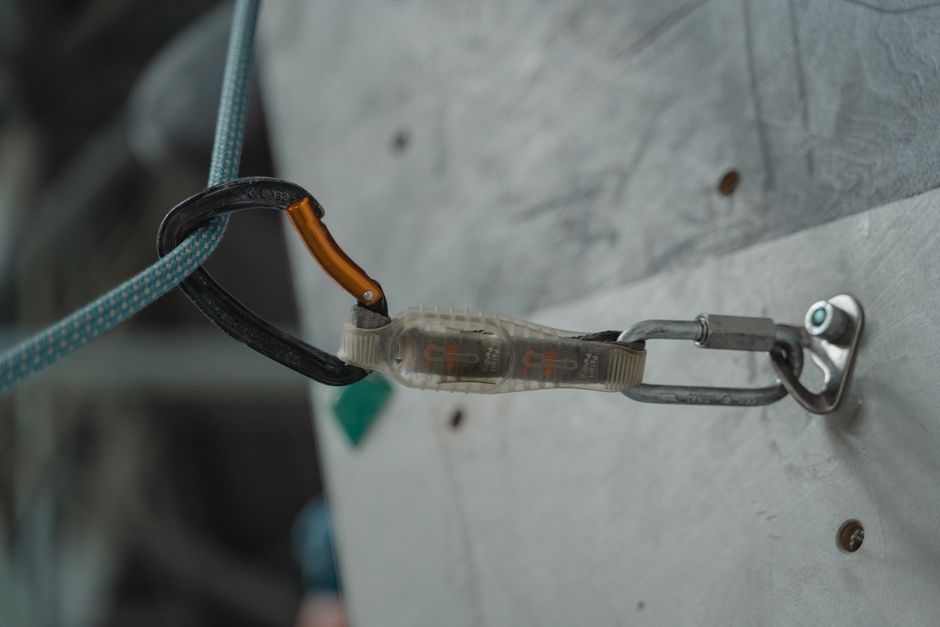
Installing a clip is simple, but doing it right matters. Position the clip somewhere on your rod where it won't interfere with the reel or your grip. Most anglers place it about 6-12 inches above the reel.
Secure the hook firmly. You want it locked down so it won't shift during transport, but not so tight that you're crushing the eye of the hook. Test it by giving the lure a gentle tug. It shouldn't move.
Check your clips regularly. Padding wears out, metal clips can bend, and plastic can crack. Replace worn clips so they continue protecting your gear and the people around it.
Use a clip every single time you transport rods. This isn't an optional safety measure. Make it habit, like putting on your seatbelt. Every rod, every time.
If you're storing rods long-term, leave the clips in place. Your hooks stay protected from dust and damage, and you're always ready to grab a rod and go fish. That's the kind of practical thinking that separates casual anglers from people who actually take care of their equipment.
Rod Safety Clips + Weed Protection: A Complete Setup
Here's something most anglers don't think about: hook safety clips are just one part of protecting your fishing investment. The other part is protecting your lures and rigs from weed fouling, which happens constantly if you fish weedy water.
Weeds tangle around your hooks, cover your baits, and turn your best rigs into junk. You lose lures, you waste time cleaning gear, and you miss fish because your presentation is compromised. That's where proactive gear protection comes in.
A complete tackle protection system means securing your hooks during inactive periods (with a clip) and keeping your lures effective during active fishing (with tools designed to prevent weed coverage). When you're thinking about rod setup and transport, consider both angles. Learn more about comprehensive fishing gear protection at Fishing Weed Blocker, where anglers serious about efficiency share what actually works.
Safety Considerations and Best Advice
Securing sharp objects during transport and storage is a basic injury-prevention practice. Hook punctures may seem minor, but they carry a risk of infection and complications if not cleaned properly.
If someone around you gets hooked accidentally—and it happens more than you'd think—don't panic. Seek medical attention if the hook is deep or if you can't remove it cleanly. Prevention is way better than dealing with the aftermath.
That's why rod-mounted hook safety clips exist. They eliminate the most common accidental hook injury scenario: someone reaching into a vehicle or storage space and encountering an unsecured fishing hook.
Teaching young anglers to use safety clips is also important. Kids learn by watching adults. If you use a clip every time, they'll understand that gear safety is normal and expected, not optional.
People Also Ask
Do I really need a hook safety clip for every rod?
Yes. Even if a rod sits in your garage most of the time, secure the hook. You never know when a kid, pet, or visiting friend will pick it up or move it. The clip is cheap insurance against injury.
Can hook safety clips damage my fishing line?
Quality clips with padded interiors won't damage your line. Cheap plastic clips might crimp or pinch line over time, so invest in better gear if you're using a clip on rods you fish frequently.
What's the best hook safety clip brand?
STOW by FinMan is widely respected for durability and hook protection. That said, any clip with metal construction and padded interior does the job. Try a few styles and see what feels right with your gear.
Should I leave the safety clip on while I'm actively fishing?
No. Remove the clip once you're fishing. Keeping it on restricts your casting and wastes energy. The clip is for transport and storage, not for active fishing.