

Table of Contents
- 1. What You'll Need Before You Step in the Water
- 2. How to Avoid Spooking Fish in Shallow Water: A Step-by-Step Approach
- 3. How Light, Wind, and Shadows Affect Fish Visibility
- 4. Best Lures for Clear Water Fishing and Wary Fish
- 5. How to Approach Fish Quietly in a Kayak
- 6. How to Catch Skittish Bass in Clear Water
- 7. When Fish Spook Before the First Cast: A Troubleshooting Guide
- Conclusion
- Frequently Asked Questions
Last Updated: October 9, 2026
1. What You'll Need Before You Step in the Water
The single biggest reason anglers spook skittish fish in clear shallow water is that they wade in before they've done any homework. Before your boots get wet, set yourself up to stay unseen and unheard.
Here's the short list we'd hand any angler heading to a clear flat:
- Polarized sunglasses to read depth and spot fish before they spot you
- A spinning rod with 6-10 lb test line, or a baitcasting setup for heavier cover
- A small box of natural-pattern lures or flies
- A kayak or boat you can move without slapping the hull
- A weed protection device that keeps your bait clear of debris (more on this below)
Polarized lenses matter more than most tackle. They cut surface glare so you can see the bottom structure, submerged weeds, and the fish themselves. That visibility is what lets you plan a stealthy approach instead of guessing.
Water clarity changes everything too. In clear water, a fish can pick out your silhouette from a long way off. In stained or muddy shallows, you get more room to work. So the first job is reading the water before you fish it.
2. How to Avoid Spooking Fish in Shallow Water: A Step-by-Step Approach
To avoid spooking fish in shallow water, slow down, stay low, and keep your distance. Fish in the shallows are wired to flee anything that looks, sounds, or feels wrong. The anglers who catch them treat every step as a decision.
Reading the Shoreline Before You Commit
Stop well back from the water's edge and study the flat. Look for:
- Depth changes, like a dark drop-off against lighter sand
- Weed edges and submerged vegetation where fish hold
- Current seams or wind lanes that push bait
- Access points that let you cast without wading into the fish's zone
Pick your entry point from a distance. If you can see fish, they can usually see you too.
Positioning, Distance, and Wait Time
Position yourself so you're casting to fish, not standing on top of them. In clear water, keep a greater distance than you would in stained water. Make long casts to reach the target without entering the fish's immediate area.
Then wait. Give the water 5-10 minutes to settle after you arrive. Fish that scattered when you walked up often drift back once the shoreline goes quiet. That pause is one of the most underrated moves in shallow-water fishing.
3. How Light, Wind, and Shadows Affect Fish Visibility
Light and shadow decide whether a fish sees you at all. On a bright, high-sun day, your body throws a long shadow across the flat, and that shadow reads as danger. On an overcast day, the light is flat and you blend in better.
Wind matters just as much. A ripple on the surface breaks up your outline and gives you cover. A glassy calm surface does the opposite, turning the water into a mirror that shows fish everything above it.
Sun angle is the piece most anglers ignore. Fishing with the sun in front of you puts glare in your eyes but hides you from the fish. Fishing with the sun at your back lights you up like a billboard.
- Bright sun, calm water: keep maximum distance, cast long, stay low
- Overcast or windy: you can move closer and cast shorter
- Early morning and evening: low light favors the angler, so work the shallows hard
- Midday: fish push to deeper water or shade, so adjust your target
Concealment is about matching your approach to the conditions, not memorizing one set of rules.
4. Best Lures for Clear Water Fishing and Wary Fish
The best lures for clear water fishing are natural, subtle, and sized to match what the fish are actually eating. In clear water, fish get a long look at your presentation before they commit. Anything flashy or oversized gets refused.
Natural Patterns and Neutral Colors
Match the hatch. If baitfish are silvery, throw silver and white. If crawfish are the main forage, go with browns and greens. Neutral colors like clear, smoke, and watermelon work when fish are pressured and line-shy. Refining your lure selection based on these visual cues remains essential when finding trout in the complex currents of a river.
Keep your line light too. A 6-8 lb fluorocarbon leader disappears in clear water and helps fool line-shy fish. Heavy line and bright lures are a fast way to spook a wary fish.
Weed Protection Without Killing the Action
Here's where most clear-water anglers lose fish: their lure fouls on weeds mid-retrieve, and the presentation dies. A lure dragging a clump of grass looks nothing like a baitfish.
That's the exact problem Fishing Weed Blocker was built to solve. Our patented, award-winning device grabs weeds before they can cover your bait or lure. It protects your presentation and keeps the hook free of debris, whether you're trolling or bait fishing. The device flows through the water with minimum drag, so your lure keeps its natural action instead of dragging a salad behind it.
For anglers fishing weedy shallows, that's the difference between a clean presentation and a wasted cast.
5. How to Approach Fish Quietly in a Kayak
Approaching fish quietly in a kayak comes down to three things: no wake, no hull slap, and no sudden movement. A kayak gets you into shallow water a boat can't reach, but it also sits low and close to the fish, so every noise travels.
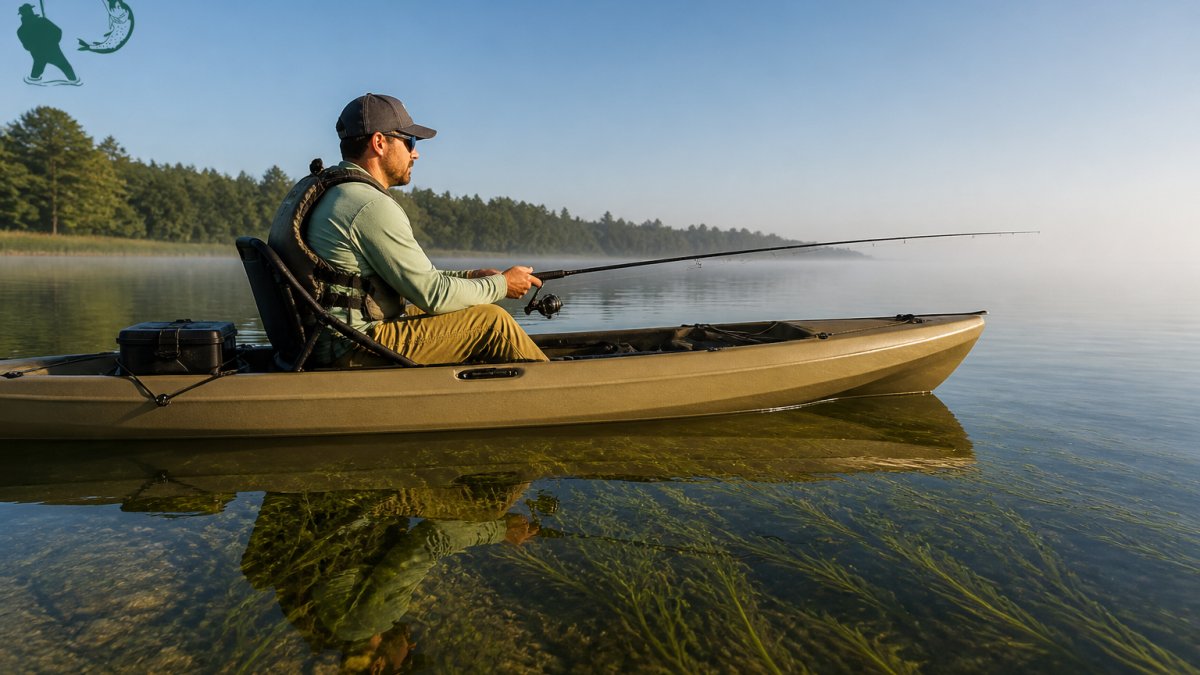
Paddle or drift in slowly, and stop well short of where you saw fish. Let the kayak coast the last stretch so you're not churning water. Keep your paddle blade from scraping the hull, and set your rod down gently.
Cast sitting down when you can. Standing up in a kayak creates a tall silhouette against the sky, and fish in the shallows notice. Drift with the wind when possible so you're not paddling at all.
6. How to Catch Skittish Bass in Clear Water
Catching skittish bass in clear water means fishing for the fish you can't see as carefully as the ones you can. Bass in clear shallows are the definition of line-shy and wary. They've seen every lure in the box.
Long casts are your best tool. Stay back, throw past the fish, and work your lure into their zone. A baitcasting setup with a light line and a natural-colored lure lets you reach spooky fish without crowding them.
Slow your retrieve down. Skittish bass often follow a lure for a while before they commit, so give them time. If a fish follows and turns away, switch to a smaller or more neutral presentation rather than casting harder at the same spot.
Fish the shadows. Bass tuck under weed edges, dock shade, and overhanging cover. Approach those spots from the sun side so your shadow falls away from the fish, not across them.
7. When Fish Spook Before the First Cast: A Troubleshooting Guide
If fish spook before your first cast, the problem is almost always your approach, not your lure. Here's how to diagnose it fast.
| What You See | Likely Cause | Fix |
|---|---|---|
| Fish bolt as you walk up | Silhouette or vibration | Stay back, move slower, crouch |
| Wakes fan out across the flat | Noise or splash | Stop, wait 10 minutes, soften every step |
| Fish follow but won't take | Wrong presentation or line | Downsize lure, switch to lighter line |
| Fish vanish in clear water | Too close, too visible | Add distance, cast long, use cover |
| Repeated spooks at one spot | You keep re-approaching | Move to a fresh area, return later |
Work the list top to bottom. Most spooking traces back to movement, noise, or distance, and all three are fixable without changing your tackle.
A common mistake is to keep casting at a spot where fish already blew up. Once a flat is spooked, give it real time, or move on and come back at a different angle later in the day.
Conclusion
Approaching skittish fish in clear shallow water is a game of patience, distance, and clean presentations. The anglers who catch wary fish aren't doing anything exotic. They're staying low, keeping quiet, casting long, and making sure their lure looks right when it gets there.
That last part is where Fishing Weed Blocker earns its place in your box. Our patented device catches weeds before they reach your bait and keeps your hook free of debris, so your presentation stays natural cast after cast. It's sold in a convenient 4 pack, stacks neatly in your tackle box, and is built to last.
Get started with Fishing Weed Blocker and keep your lure working the way it should, snag-free and weed-free, on every cast.
Frequently Asked Questions
How far away should you cast to avoid spooking fish in shallow water?
In clear shallow water, skittish fish can detect movement and vibration from 30 to 50 feet away. Make your first cast land at least 30 feet from your target and work closer only if the fish stay calm. In calm, clear conditions, push that distance to 40 or 50 feet. Standing back from the shoreline and casting parallel rather than straight at the fish keeps your profile out of their cone of vision.
What lures work best for skittish fish in clear water?
Natural-colored soft plastics, small finesse worms, and slim jerkbaits in translucent or muted patterns work well because they match local forage. Downsize your profile and slow your retrieve. A weed-blocking clip mounted ahead of the lure lets you fish through light vegetation without the lure collecting debris that dulls its action. Match the hatch first, then adjust color based on light and water tint.
Does a kayak spook fish in shallow water?
Yes, if you paddle hard or slap the hull. A kayak can be quieter than a trolling motor, but hull slap, paddle drips, and sudden body shifts send vibration through shallow water fast. Drift with the wind when possible, use a slow, low paddle stroke, and keep your rod tip low. Approach the target from a parallel angle, then wait 30 to 60 seconds before your first cast.
Does yelling scare fish away?
Loud noise travels through water and through the bankside substrate, so yelling, dropping tackle boxes, or stomping on a dock can push fish out of the shallows. Skittish fish in clear water are especially sensitive because they rely on vibration and sight to detect threats. Keep voices low, set gear down softly, and close car doors and cooler lids gently before you walk to the water.