
Nothing kills your fishing day faster than casting out your favorite lure only to reel it back in looking like a green salad. Weeds clinging to your lure mean fish won't bite. They can't see the bait, and the lure doesn't move right. So how do you keep weeds off your lures? The answer is fishing lure protection from weeds starts with choosing the right gear and rigging style before you even hit the water.
Here's the truth: weed accumulation is one of the biggest reasons anglers go home empty-handed when fishing in lakes, ponds, and rivers with heavy vegetation. But the fix is simpler than you think. Let me walk you through the best methods to keep your lures clean and your catch rate high.
Related: Best Ways to Keep Weeds Off Fishing Bait 2026: Top 5 Methods Ranked
Related: How to Remove Weeds From Fishing Bait: Quick Methods
In this article
- 1. Use Lures With Weed Guards
- 2. Go With Texas-Rig Setup
- 3. Choose Lure Types That Naturally Resist Weeds
- 4. Keep Your Casting Angle Smart
- 5. Invest in Modern Weed-Free Lure Designs
- Pro Tips for Keeping Lures Clean While Fishing
- Why Fish Won't Bite Weed-Covered Lures
- Getting Started With Weed-Protected Fishing
- Common Questions About Fishing Lure Protection
1. Use Lures With Weed Guards
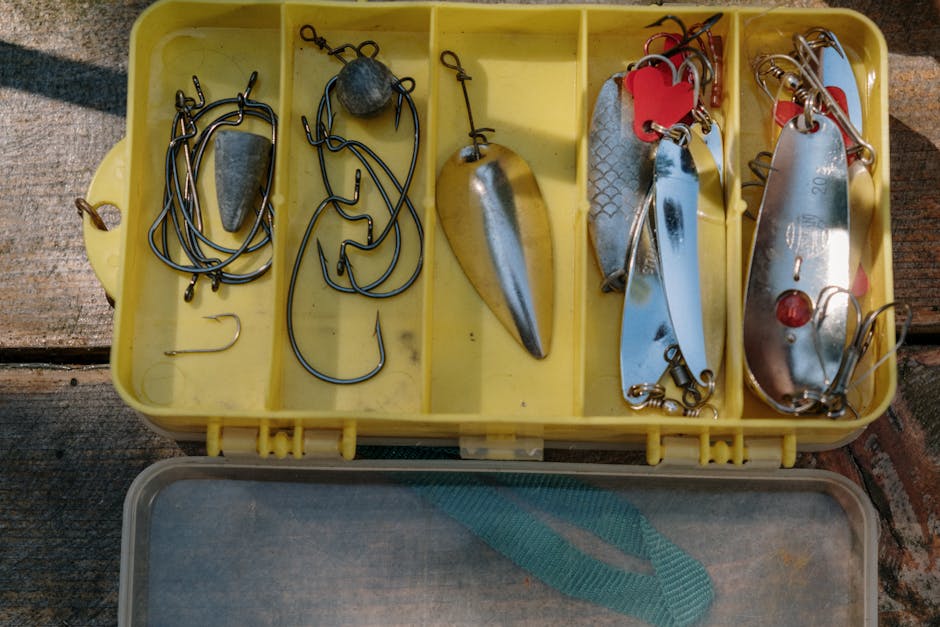
Weed guards are wire or fiber extensions positioned in front of your lure's hook. They keep grass and weeds from wrapping around the hook point, which means fish can still grab your bait.
The most effective weed guards come built into wacky rigs and spinner baits. Spinner baits are especially good because they naturally resist weed pickup better than other lure types. The spinning blade pushes water and breaks through vegetation, plus the design keeps the hook cleaner as it moves through weeds.
When you're shopping for lures, look for ones labeled "weed guard" or "weed-resistant." This 2026 trend is becoming a key selection criterion for serious anglers, and for good reason. A lure with a solid weed guard can mean the difference between a full cooler and a frustrating afternoon.
2. Go With Texas-Rig Setup
Texas-rigged lures are the gold standard for fishing in weed-heavy environments. Here's how it works: you slide a bullet sinker up your line, then tie on your hook with a soft plastic bait. The sinker rides just above the hook, and the soft plastic sits slightly offset.
This setup lets your lure slide through weeds without catching them. The sinker acts like a plow, pushing vegetation aside as it sinks. Your hook stays protected and ready to set on a bite.
Texas-rigged baits work in lakes, ponds, and rivers. They're proven effective in thick weed beds because the design minimizes contact between your lure and the plants. If you fish weedy spots regularly, mastering the Texas rig is non-negotiable.
3. Choose Lure Types That Naturally Resist Weeds
Not all lures are created equal when it comes to weed avoidance. Some designs just work better in heavy cover than others.
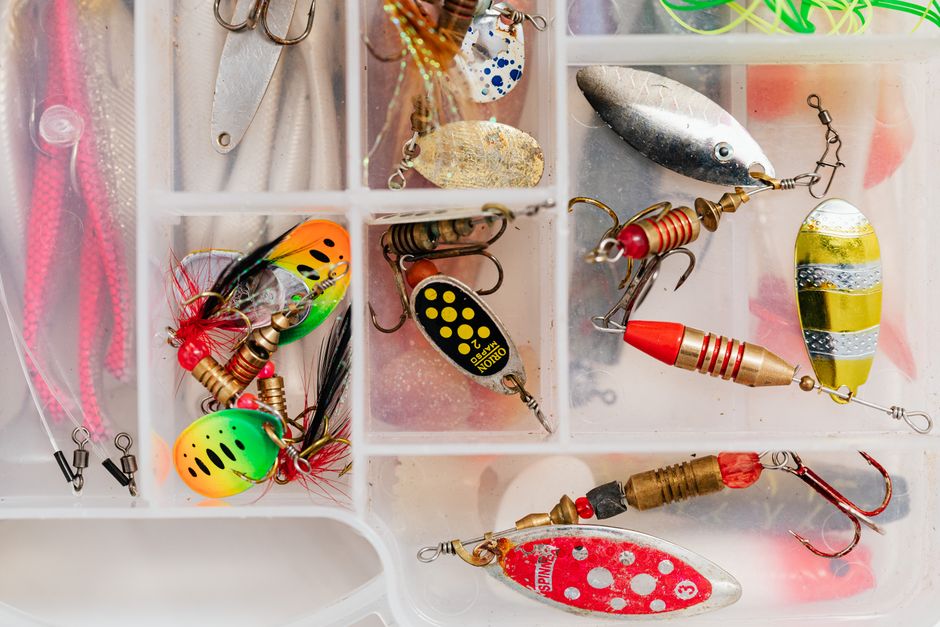
- Spinner baits - The spinning blade and compact design push through vegetation naturally.
- Topwater plugs - These stay on the surface, so weeds slide underneath instead of catching on the hook.
- Jigs with weed guards - The conical shape cuts through weeds, and the guard protects the hook.
- Crankbaits with lip design - The lip helps deflect weeds as the lure moves through cover.
Try each type in your local spots and see which one works best. You'll notice that spinner baits consistently outperform other options in heavy weed beds, but topwater lures work great when weeds are shallow. Mix and match based on water conditions, and you'll stay ahead of the weed problem.
4. Keep Your Casting Angle Smart
Here's a pro tip that doesn't cost you anything: where you cast matters as much as what you cast. When you're fishing in weeds, aim for the edges of weed beds instead of the thickest patches.
Related: Best Fishing Lure Protection Devices for Safe Storage
Cast parallel to weed lines rather than perpendicular to them. This keeps your lure moving along the edge where fish hunt, and it reduces the chance of weeds building up on your bait. You'll spend less time cleaning your lure and more time fishing.
When you do need to fish thick cover, use a steady, faster retrieve. This keeps weeds from settling on your lure as it moves. A sluggish, slow retrieve gives weeds time to grab on. Speed is your friend when weeds are thick.
5. Invest in Modern Weed-Free Lure Designs
Lure manufacturers are stepping up their game. Modern designs now feature specialized weed guard configurations developed during prototype design and painting phases. This means new lures hitting shelves are specifically engineered to handle vegetation.
Classic lure designs work too, but newer "weed-free" options give you an edge. These lures come with reinforced guards, strategic hook placement, and body shapes that actively push weeds away as they move. It's worth trying a few newer models alongside your trusted standbys.
The investment is small compared to the frustration of constantly clearing weeds off your lure. Plus, Fishing Weed Blocker keeps a curated selection of weed-resistant lures so you don't waste time guessing which ones actually work.
Pro Tips for Keeping Lures Clean While Fishing
Even with the best lures, weeds will still happen sometimes. Here's how to manage it when you're out on the water:
- Clean between casts - Take 5 seconds to pinch weeds off your lure before casting again. It only takes once to lose a fish because your bait was hidden.
- Use a dock or boat edge - Drag your lure along a dock or the side of your boat to knock weeds off quickly.
- Check your drag setting - Make sure your drag is set tight enough that weeds don't pull off line but loose enough to protect your rod if a big fish hits.
- Pitch instead of cast - In super thick weeds, short pitching casts give you better control and quicker retrieves.
These small habits save time and keep you fishing. You're not spending half your day cleaning lures; you're in the water where you belong.
Why Fish Won't Bite Weed-Covered Lures
Understanding the problem helps you stay motivated to fix it. Fish hunt by sight and feel. A lure covered in a ball of weeds looks nothing like what they're expecting to eat. The movement is wrong, the profile is wrong, and the bait is hidden.
Bass, pike, walleye, and other game fish rely on visual cues to strike. Weeds completely change how your lure looks underwater. Even an aggressive fish might ignore it because it doesn't match the natural prey profile they're hunting.
This is why weed prevention is critical for catch success. You're not just protecting your gear; you're keeping your lure effective. Fishing Weed Blocker makes this part of your preparation easy so you can focus on the fishing itself.
Getting Started With Weed-Protected Fishing
Start by auditing your current tackle box. Which lures have weed guards? Which ones are old designs? Next time you're shopping for new gear, prioritize weed-resistant options.
If you fish the same spots regularly, track which lures work best in those weedy areas. Keep notes on water conditions, time of year, and weed thickness. You'll develop a playbook fast.
Most importantly, don't get frustrated when weeds happen. It's part of fishing in natural waters. The goal is to minimize it, not eliminate it completely. Every cast you make without weed interference is a chance to catch something. Protect that opportunity with the right gear and techniques, and you'll see your success rate climb.
Ready to upgrade your weed-fighting arsenal? Fishing Weed Blocker has everything you need to tackle vegetation and focus on the catch.
Common Questions About Fishing Lure Protection
Do weed guards reduce your chances of hooking fish?
No, not when they're properly designed. Modern weed guards are thin enough to let fish feel the hook point when they bite. You might miss a handful of super light bites, but you'll gain way more fish because your lure stays visible and fishable in weedy cover. The tradeoff is worth it.
Can you add weed guards to lures that don't have them?
Yes. You can tie on soft plastics with existing weed guards, or you can carefully add a wire guard to older lures if you're comfortable modifying them. Most anglers just replace old lures with new weed-resistant designs instead. It's simpler and more reliable.
What's the best retrieve speed for weedy water?
Faster retrieves work better in thick weeds. A medium to fast steady retrieve keeps weeds from settling on your lure. Experiment with steady retrieves, jerky retrieves, and pauses to see what fish respond to on your local water. Speed also depends on lure type and water temperature.
Are spinner baits really better than soft plastics in weeds?
Spinner baits have an advantage in really thick, matted vegetation because the blade design naturally pushes through. Soft plastics rigged Texas-style work great too. The best approach is having both in your box and testing which one the fish prefer that day. Fishing Weed Blocker recommends keeping a mix of both on hand.