

You've invested in quality lures, hooks, and rigs. The last thing you want is to spend half your fishing day digging through a tangled mess looking for that one lure that worked last weekend. A solid fishing tackle organization solution isn't just about neatness, it's about respecting your gear, saving time on the water, and actually remembering what you own.
The reality is this: most anglers accumulate tackle faster than they can organize it. Tackle boxes overflow. Lures get mixed together. Hooks rust in damp corners. And worst of all, you buy replacements for stuff you already have because you can't find it. That's not just frustrating, it's expensive.
Here's the good news. You don't need an elaborate system or a garage overhaul. You need the right containers, a logical sorting method, and the commitment to stick with it. Let's walk through the proven approaches that work for active anglers who fish regularly and actually care about their equipment.
In this article
- Why Fishing Tackle Organization Matters More Than You Think
- The Core Tackle Organization Categories You Need
- Foam-Based and Modular Storage Systems
- Waterproof Containers and Moisture Protection
- Rod Storage and Space-Efficient Solutions
- Clear Visibility and Quick-Grab Accessibility
- Multi-Purpose Tackle Boxes for Field and Home Storage
- Building Your System Step by Step
- Real-World Tackle Organization Tips From the Water
- Why Custom Solutions Beat One-Size-Fits-All Boxes
- Start Organizing Your Tackle Today
- Common Fishing Tackle Organization Questions
Why Fishing Tackle Organization Matters More Than You Think
Good organization isn't a luxury. It's a productivity tool. When your tackle is organized, you spend more time fishing and less time searching. You also protect your investment. Waterproof containers prevent rust and corrosion. Clear visibility helps you spot exactly what you need without dumping everything on the dock.
Related: Best Fishing Tackle for Weedy Lakes 2026: Top 6 Ranked
Related: Best Innovative Fishing Tackle Accessories 2026: Top 6 Ranked
Active anglers know that tackle accumulation is real. After multiple seasons of buying lures, hooks, jigs, and specialty rigs, your collection grows fast. Without a system, that growth becomes chaos. Anglers who use organized tackle storage spend less time prepping their gear and feel more confident in their tackle selection on the water.
Beyond the practical side, organization reflects how you treat your hobby. Fishing is personal. Your gear matters. Taking care of it sends a message to yourself and to fishing buddies that you're serious about the craft.
The Core Tackle Organization Categories You Need
Before you buy anything, understand what you're actually storing. Most recreational anglers organize around these categories:
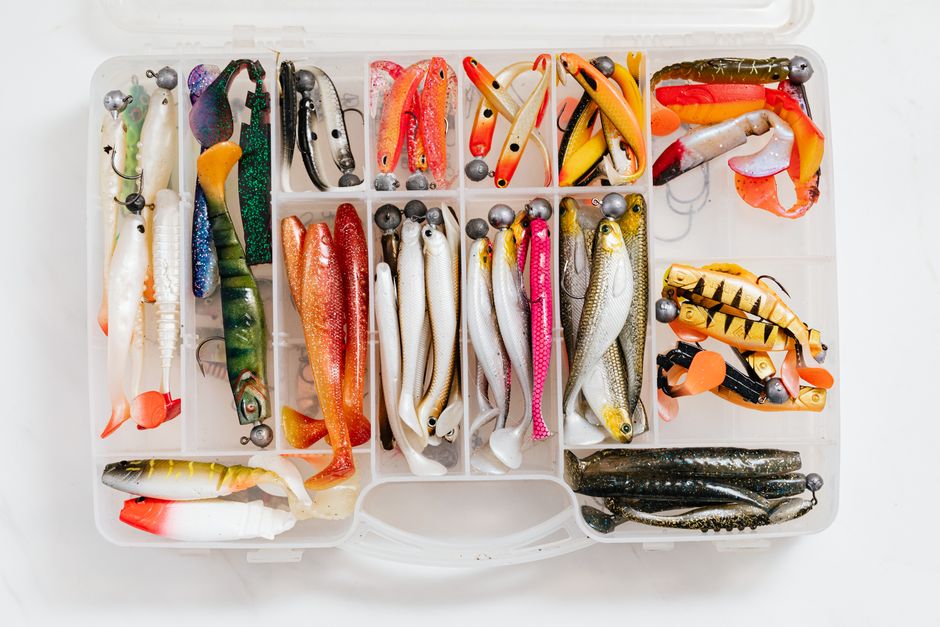
- Lures and Soft Plastics: These need protection from light and moisture. Foam-based storage with press-fit sections or clear plastic dividers works best.
- Hooks and Jigs: Small, prone to rust, and easy to lose. Hook organizers with labeled compartments save time and prevent tangled mess.
- Rigs and Terminal Tackle: Swivels, leaders, snap rings, and pre-tied rigs benefit from waterproof trays where you can see everything at a glance.
- Rod and Reel Storage: Out of the way, protected from damage, and accessible for quick grab-and-go fishing trips.
- Miscellaneous Gear: Sunscreen, line cutters, pliers, headlamps. These live best in a dedicated multi-purpose tackle box that travels with you.
The key is assigning each category a home and using clear, transparent containers whenever possible. You want to see what's inside without opening every box.
Foam-Based and Modular Storage Systems
Lure wallets and foam organizers are the backbone of most serious angler setups. Why? Because foam press-fit compartments keep lures separated, visible, and protected from moisture. They're lightweight, portable, and work equally well in a garage or a boat locker.
The beauty of modular systems is flexibility. You build your storage to match your fishing style, not the other way around. Bass fishing? You might prioritize large lure compartments and jig sections. Walleye or pike fishing? You could dedicate more space to hook sizes and rig combinations.
Modular also means scalability. Start with one system. Add another as your tackle grows. Swap sections around as your fishing preferences evolve. It's the opposite of a rigid all-in-one box that becomes useless when your needs change.
Waterproof Containers and Moisture Protection
Moisture is the silent killer of fishing gear. Rust forms fast on hooks and jigs, especially in humid climates or near saltwater environments. Waterproof containers extend tackle lifespan dramatically.
Look for containers with tight-sealing lids, rubber gaskets, and UV-resistant plastic. Transparent materials let you scan contents without opening. Store moisture-sensitive items like pre-tied rigs and fly boxes in airtight compartments. Some anglers add silica gel packets to absorb ambient moisture, which is a cheap, simple upgrade.
The cost of a quality waterproof system pays for itself the first time it prevents a season's worth of tackle from corroding or getting damaged during a rainy trip to the lake.
Rod Storage and Space-Efficient Solutions
Rods take up real estate, but they deserve respect. Horizontal wall-mounted racks, vertical rod holders, or even repurposed closet space with customized pegs work well. The goal is keeping rods accessible while protecting rod eyes, guides, and handles from damage.
If space is tight, think vertical. A two-car garage or a corner of a storage shed can hold a surprising number of rods with the right mounting system. Label each rod with its purpose (bass, walleye, trolling setup, backup) so you grab the right one without thinking.
Rod storage ties directly to your overall tackle organization because it forces you to think about your fishing style holistically. You're not just storing random gear, you're building a system that matches how you actually fish.
Clear Visibility and Quick-Grab Accessibility
Here's a non-negotiable rule: if you can't see it, it might as well not exist. Transparent plastic dividers, clear-sided lure wallets, and see-through containers eliminate the hunt. You open the box, scan, and grab what you need in seconds.
Label everything. Use waterproof label makers or simple masking tape and a marker. Mark compartments by lure type, hook size, depth range, or seasonal rotation. It sounds basic, but labeling cuts your setup time in half because you're not guessing where anything lives.
Combine clear visibility with logical arrangement: store your most-used tackle at eye level or in the first compartment you open. Secondary gear goes below or behind. Seasonal or backup tackle lives in back storage. It's intuitive and saves time every single trip.
Multi-Purpose Tackle Boxes for Field and Home Storage
Your tackle organization system doesn't have to live in one place. Many anglers use a hybrid approach: a main storage hub at home (shelves, wall racks, organized boxes) and a portable field box that lives in the truck or boat.
A good multi-purpose tackle box is your working tackle. It's waterproof, portable, and contains what you'll actually use on that specific trip. Before you head out, you load it from your home storage. This approach keeps your main collection organized while letting you bring only what you need on the water.
When you return, you restock the field box from home, clean any wet gear, and put everything back in its assigned spot. Over time, this rhythm becomes automatic, and your tackle stays organized without feeling like a chore.
Building Your System Step by Step
Don't buy everything at once. Start with containers that match your current tackle volume. As you organize, you'll naturally discover what works for your fishing style. Some anglers swear by wall-mounted organizers. Others prefer stackable boxes. You'll find your preference as you go.
Step one: inventory what you own. Pull every lure, hook, and rig out of your current boxes and count them. You'll probably be surprised at what you have and shocked at duplicates you forgot about.
Step two: group by category and frequency of use. Things you use every trip go in your working tackle box. Seasonal gear lives in secondary storage. Backup or specialty items go in deep storage.
Step three: choose containers that fit those categories. Clear plastic compartments for visible storage. Foam organizers for delicate lures. Waterproof boxes for anything moisture-sensitive.
Step four: label and arrange with logic. Put your hands on what you use most without reaching past three other items.
This approach is exactly how serious anglers at Fishing Weed Blocker keep their gear dialed in. Organize once, fish confidently, and never lose a lure to chaos again.
Real-World Tackle Organization Tips From the Water
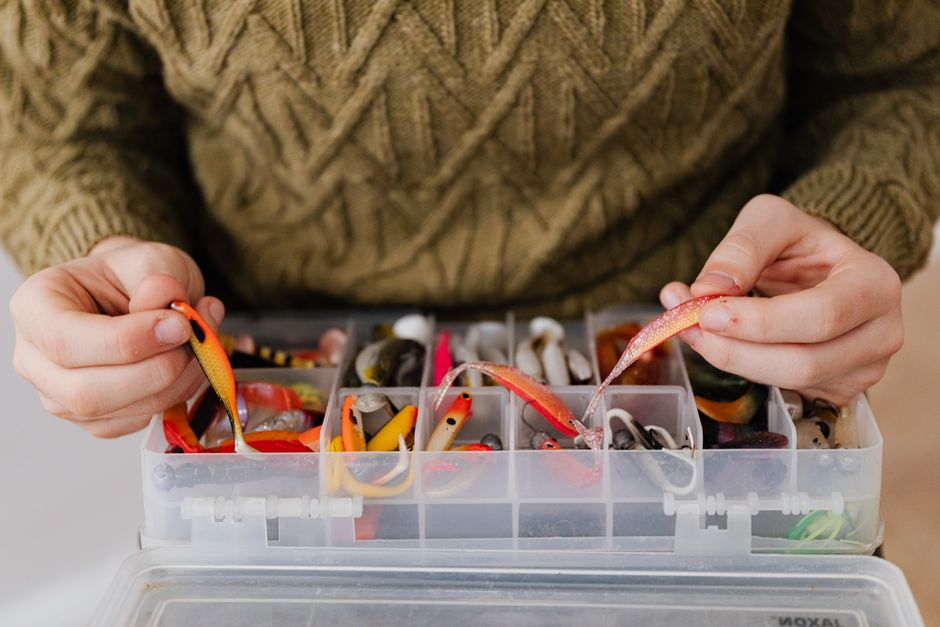
Here's what works in practice, not just in theory. Keep a small notebook or note in your phone about what you caught on and what you didn't. Over a season, you'll notice patterns. Your organization system should reflect those patterns, putting your proven lures front and center.
Rotate seasonal tackle. Spring tackle looks different from fall tackle. If you keep everything out year-round, you're wasting space and creating clutter. Rotate in and out as seasons change, and you'll always know exactly what's available.
Use color coding if it helps. Red compartment for crankbaits. Blue for soft plastics. Green for jigs. It sounds simple, but visual organization helps your brain find things faster.
Clean and dry all gear before storage. Wet lures invite rust. Wet boxes invite mold. A quick towel-down and 10 minutes of air drying prevents weeks of problems.
Finally, commit to putting things back immediately after a fishing trip. The best organization system fails if you just dump wet gear in a corner and promise to sort it later. That "later" becomes never, and you're back to chaos. If you build a system, use it consistently.
Why Custom Solutions Beat One-Size-Fits-All Boxes
The fishing industry is constantly innovating tackle storage, introducing new solutions at events like ICAST every year. But honestly, you don't need the newest gadget. You need something that matches your fishing frequency, your tackle volume, and your space.
A weekend bass angler has different needs than a walleye tournament fisherman or someone who trolls for pike. Your organization system should reflect your reality, not someone else's Instagram setup. That's why modular, flexible systems work better than rigid all-in-one solutions.
Start simple. Get organized with what you can afford. Add to it over time as your collection and your knowledge grow. The best system is the one you'll actually use consistently.
Start Organizing Your Tackle Today
You already know what it feels like to be organized and what it feels like to fish in chaos. Organized is better. It's faster. It's more enjoyable. And it respects the investment you've made in your gear and your hobby.
Take an afternoon this week and commit to the first steps. Pull out your tackle. Sort it by category. Get clear containers. Label them. And keep a rule: everything goes back in its home before you leave the house or the dock.
That's it. You're not trying to win a storage competition. You're just trying to fish smarter, remember what you own, and spend more time catching and less time searching. Once you experience that feeling, you'll never go back to random boxes and tangled chaos again. Reach out to Fishing Weed Blocker if you want recommendations on organization systems that pair perfectly with your tackle collection and fishing style.
Common Fishing Tackle Organization Questions
What's the best container material for storing fishing lures?
Clear plastic and foam are your best bets. Clear plastic lets you see contents without opening the box, reducing search time. Foam with press-fit compartments keeps lures separated and protected from moisture. For maximum protection, use waterproof cases with tight-sealing lids and UV-resistant plastic to prevent sun damage and moisture infiltration. UV-stabilized plastics generally hold up better than standard plastic containers, which helps extend the lifespan of stored gear.
How should I organize hooks and jigs to prevent rust?
Store hooks and jigs in waterproof compartmented boxes with silica gel packets to absorb moisture. Keep them separate from wet gear and allow them to air-dry completely before storage. Label compartments by size and type so you find what you need without fumbling through multiple sections. Check them periodically and replace any rusted items immediately to prevent corrosion from spreading to adjacent tackle.
Can I use the same tackle box for home storage and field use?
You can, but most experienced anglers use a hybrid approach. Keep a comprehensive organized system at home with all your tackle, then load a smaller portable field box with only what you'll use on that specific trip. This keeps your main collection organized, extends the life of your gear by reducing handling, and lets you travel light without sacrificing options on the water.
What's the fastest way to organize a large tackle collection I've neglected for years?
Set aside a few hours and sort everything onto a table by type: lures, hooks, soft plastics, rigs, and miscellaneous. Count items and note duplicates. Throw out anything damaged or corroded. Then assign each category to a clear, labeled container. Start with what you use most frequently. You don't have to organize every item perfectly on day one, just create a working system you can maintain going forward.