
In this article
- What Makes the Right Fishing Line for Your Spinning Reel?
- The Top 5 Fishing Lines for Spinning Reels, Ranked
- 1. Monofilament Line: The Spinning Reel Standard
- 2. Braided Line: The Sensitivity Champion
- 3. Fluorocarbon Line: The Nearly Invisible Option
- 4. Budget Monofilament: Learning and Backups
- 5. Premium Fluorocarbon: The Specialized Choice
- How to Match Line Type to Your Spinning Reel Setup
- Seasonal Line Switching Tips
- Our Pick: Monofilament for Most Anglers
- Frequently Asked Questions
What Makes the Right Fishing Line for Your Spinning Reel?
Choosing fishing line for a spinning reel might seem straightforward, but the material you pick changes everything about how your tackle performs. Whether you're casting into weedy shallows or open water, the line is your only connection to what's below. It determines how far you can cast, how well you can feel a bite, and how confident you'll feel when you set the hook.
The three main types of fishing line—monofilament, fluorocarbon, and braided—each have their own strengths and weaknesses. Your choice depends on your fishing style, the species you're targeting, and the conditions you're fishing. If you're just starting out with a spinning reel, monofilament in the 6 to 8-pound test range is a solid foundation. But if you're looking to optimize your setup for specific situations, understanding the differences will make a real difference in your catch rate.
Related: Best Fishing Line Winders 2026: Top 5 Ranked
Related: Best Fishing Rod Holders for Trolling 2026: Top 5 Ranked
Related: Best Spinning Rod Combo 2026: Top 5 Ranked
Related: Best Fishing Rod Protectors 2026: Top 5 Ranked
Related: Best Fishing Rod Holder Mounts 2026: Top 5 Ranked
Related: Best Crankbait Rods 2026: Top 5 Ranked for Bass Fishing
Related: Best Fishing Tackle Parts 2026: Top 6 Ranked
Let's break down the options so you can make the right call for your next trip. And if you want to pair your line choice with gear that actively solves common fishing problems—like weeds fouling your bait—Fishing Weed Blocker has you covered with tools that work alongside any line type.
The Top 5 Fishing Lines for Spinning Reels, Ranked
| Product | Best For | Rating |
|---|---|---|
| Monofilament (General Purpose) | All-around spinning reel work | ⭐⭐⭐⭐⭐ |
| Braided Line | Sensitivity & finesse fishing | ⭐⭐⭐⭐⭐ |
| Fluorocarbon Line | Clear water & visibility concerns | ⭐⭐⭐⭐ |
| Monofilament (Budget) | Learning & backup spools | ⭐⭐⭐⭐ |
| Fluorocarbon (Premium) | Specialized conditions | ⭐⭐⭐ |
1. Monofilament Line: The Spinning Reel Standard
Why it ranks first: Monofilament is the most versatile choice for spinning reels and the line most anglers trust. It's forgiving, affordable, and works well across different fishing scenarios.
Pros:
- Easy to tie knots and doesn't require special techniques
- Good knot strength and reliable performance across a wide range of test weights
- Stretches slightly, which helps absorb shock when you're fighting a fish
- Low cost means you can replace spools frequently without guilt
- Works with any spinning reel without special setup
Cons:
- More visible in clear water than fluorocarbon
- Absorbs water over time, which can degrade performance
- Doesn't offer the sensitivity of braided line for detecting subtle bites
Best for beginners: Start with 6 to 8-pound test monofilament on your spinning reel. It gives you room to learn casting mechanics without worrying about line breakage, and it's gentle enough for learning knot-tying.
2. Braided Line: The Sensitivity Champion
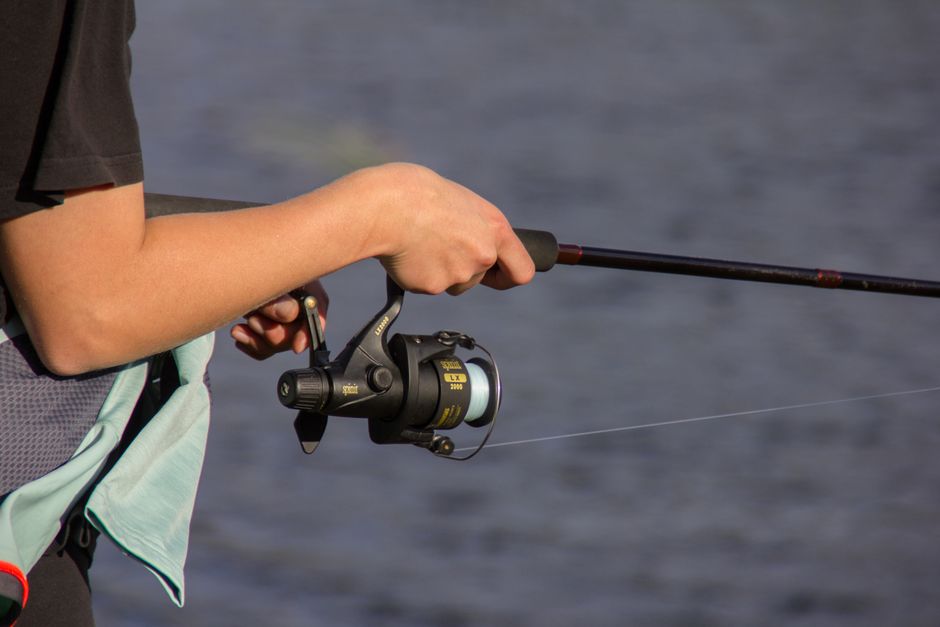
Why it works: If you want to feel every twitch and nibble, braided line delivers. It has virtually no stretch, so information travels straight from the lure to your hand.
Pros:
- Zero stretch means instant feedback on what your lure is doing
- Thinner diameter than mono of the same test weight, allowing longer casts
- Excellent for finesse fishing and detecting light bites
- Doesn't absorb water, so performance remains consistent over time
Cons:
- More visible in clear water—many anglers use a monofilament leader to hide it
- Requires practice tying special knots; regular knots don't hold as well
- Can be louder when casting if your reel isn't adjusted properly
- Higher cost per spool
Best for: Experienced anglers who fish finesse techniques and want maximum sensitivity. Works especially well in weedy areas where you need to detect subtle changes in terrain.
3. Fluorocarbon Line: The Nearly Invisible Option
Why consider it: Fluorocarbon bends light differently than water, making it less visible to fish than monofilament. It's a smart choice when fish are being particularly line-shy.
Pros:
- Nearly invisible underwater, giving you an edge in clear water
- More abrasion-resistant than mono, good for rocky areas or heavy cover
- Doesn't absorb water, maintaining consistent performance
- Sinks faster than mono, useful for deep presentations
Cons:
- Requires special knot-tying techniques and takes practice to get right
- Lower stretch means more shock to your rod when fighting a fish
- Stiffer feel makes it less ideal for spinning reels if you prefer a smooth cast
- Significantly more expensive than monofilament
Best for: Targeting spooky fish in clear water or when you suspect line visibility is costing you bites. Many anglers use it as a leader material rather than main line.
4. Budget Monofilament: Learning and Backups
Why it matters: Not all monofilament is created equal, but budget options still serve a real purpose. They're perfect for spare spools and for anglers still building their casting skills.
Pros:
- Very affordable, so you can stock multiple test weights
- Great for practice and learning without worrying about cost
- Good for backup spools you keep in your truck
Cons:
- Sometimes lacks the consistency of premium brands
- May have more memory, meaning it tangles more easily
- Knot strength can be less reliable
Best for: New anglers, practice sessions, and having an extra spool ready when you're out on the water.
5. Premium Fluorocarbon: The Specialized Choice
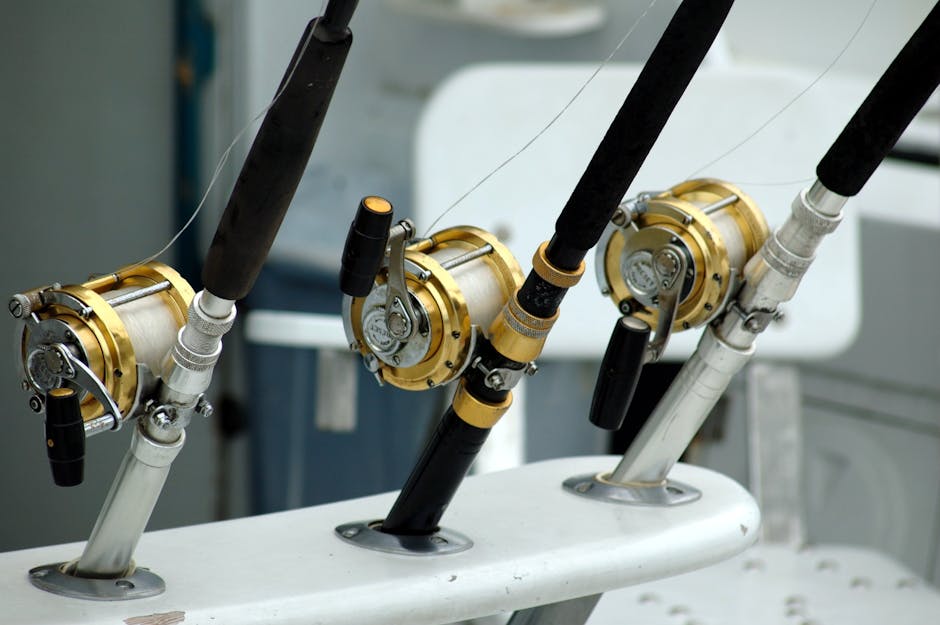
Why it's here: Premium fluorocarbon offers the best of what fluorocarbon can deliver, but at a cost that only makes sense for specific situations.
Pros:
- Superior knot strength and reliability compared to standard fluorocarbon
- Better castability and less stiffness for spinning reel use
- Maximum invisibility and abrasion resistance
Cons:
- Expensive investment for marginal gains over standard fluorocarbon
- Still requires practice to tie secure knots
- Not necessary unless you're fishing extremely finicky conditions
Best for: Tournament anglers and dedicated fishermen targeting trophy fish in challenging clear-water environments.
How to Match Line Type to Your Spinning Reel Setup
The spinning reel itself plays a role in which line performs best. Spinning reels handle monofilament naturally and are forgiving with beginners. Braided line works great on spinning reels but demands good casting technique. Fluorocarbon works too, but the stiffness can feel awkward until you get used to it.
Start by asking yourself three questions: What am I fishing for? What's the water clarity? How experienced am I with my reel? Your answers will point you toward the right line type.
When you're confident in your line choice, consider pairing it with protective gear that prevents common problems. For instance, Fishing Weed Blocker works alongside any line type to keep weeds and debris from clogging your bait and lures, which means your line stays clean and your presentations stay effective no matter which material you choose.
Seasonal Line Switching Tips
Many serious anglers change their line seasonally. In spring and fall when fish are aggressive, monofilament works fine. Summer in clear water? Switch to fluorocarbon or add a fluorocarbon leader to your braided line. Winter in weedy areas calls for something tough and reliable, so monofilament or braided line both make sense.
Keep spare spools pre-loaded with your backup choices. That way, when conditions change mid-day, you're ready to swap without fumbling at the tackle box.
Our Pick: Monofilament for Most Anglers
If I had to recommend one fishing line for a spinning reel that works across the broadest range of fishing situations, monofilament in the 6 to 8-pound test range is the smartest choice. It's forgiving for beginners, cost-effective for regular use, and reliable enough to catch fish consistently.
Upgrade to braided or fluorocarbon once you've built your skills and identified the specific gaps in your current setup. But start here, and you won't go wrong.
When you're ready to maximize your setup with tools that actively improve your results, Fishing Weed Blocker is designed to solve real problems that any angler faces—weed coverage on bait, lure fouling, and missed presentations. Adding it to your tacklebox gives you one more edge regardless of which line type you choose.
Frequently Asked Questions
What test weight should I use on my spinning reel?
Start with 6 to 8-pound test monofilament if you're a beginner. If you're fishing lighter lures or finesse presentations, 4 to 6-pound test works. For heavier lures and larger fish, 10 to 15-pound test is appropriate. Match the test weight to the size of fish you're targeting and the weight of your lures.
Can I use braided line on any spinning reel?
Yes, braided line works on spinning reels, but spinning reels are designed with monofilament in mind. Braided line requires a good reel with smooth bearings and a reel seat designed to handle its thin diameter without slipping. If your reel is older or lower-quality, stick with monofilament or fluorocarbon.
How often should I replace my fishing line?
Replace your line whenever you notice abrasions, fraying, or reduced knot strength. If you fish regularly (weekly), replace monofilament every 2-3 months. Braided and fluorocarbon last longer and may only need replacing annually unless you fish in heavy cover or experience frequent breaks.
Should I use a leader with braided line?
Yes, many anglers attach a 1 to 2-foot monofilament or fluorocarbon leader to the end of braided line. This hides the more visible braided line from fish, increases abrasion resistance, and makes knot-tying easier since leaders are thicker and more forgiving than thin braid.